Glider Saga India: India’s Beloved Desi Arcade Adventure 🪁
Experience the thrill of gliding through iconic Indian cities, celebrating festivals, and collecting desi treasures in this locally crafted mobile game by Daman Games. Designed for every Indian gamer—from tier 1 metros to rural heartlands—with offline play, regional languages, and gameplay that resonates with desi sensibilities.
Introduction
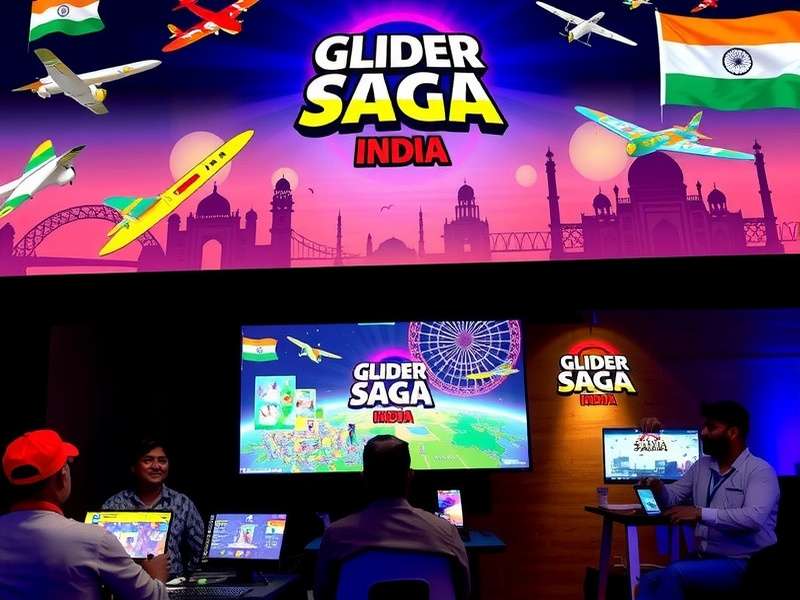
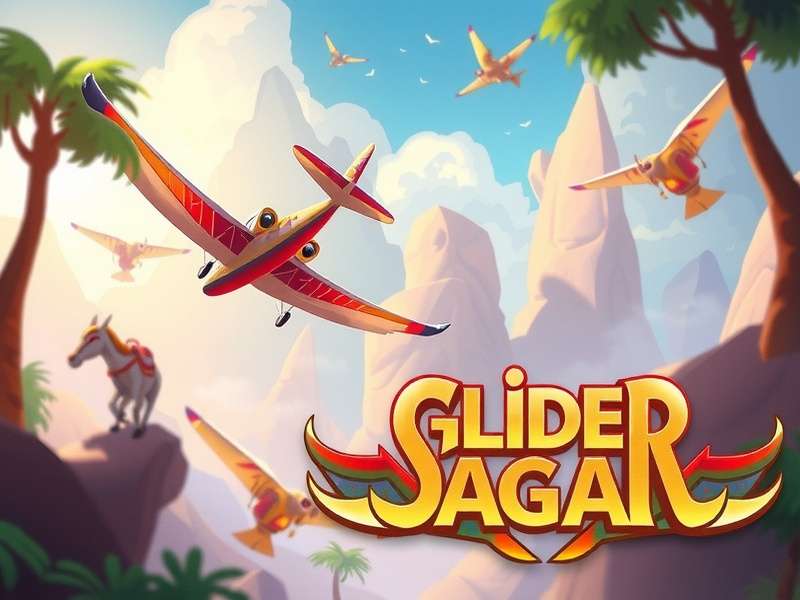
Official promotional banner for Glider Saga India, showcasing key in-game elements like the Delhi Red Fort, Mumbai Marine Drive, and Diwali-themed power-ups.
Glider Saga India is a casual arcade glider game developed and published by Daman Games, a leading desi game studio focused on creating culturally relevant mobile experiences for Indian audiences. Launched on 15 August 2023—coinciding with India’s Independence Day—the game was conceptualized to fill a gap in the mobile gaming market: a title that celebrates Indian culture, geography, and festivals while offering accessible, engaging gameplay that works seamlessly on low-end smartphones, a staple across tier 2, 3, and rural India.
Unlike international glider games that often feature generic landscapes or Western-centric themes, Glider Saga India leans into desi identity, taking players on a virtual tour of India’s most iconic cities—from the historic lanes of Jaipur to the bustling streets of Kolkata, the coastal beauty of Chennai to the modern skyline of Bengaluru. The game’s core premise revolves around navigating a customizable glider through city-specific obstacles, collecting desi-themed power-ups, and participating in festival-based events that align with India’s cultural calendar.
What sets Glider Saga India apart is its unwavering focus on localisation. Recognizing that India is a linguistically diverse nation, the game supports five major regional languages—Hindi, Tamil, Telugu, Bengali, and English—ensuring that players from across the country can engage with the game in their mother tongue. Additionally, the game is optimized for offline play, a critical feature for users in areas with patchy internet connectivity, which remains a reality for millions of Indians.
🗣️ "Glider Saga India isn’t just a game—it’s a love letter to India. We wanted to create something that every Indian, regardless of age or location, can relate to. Whether you’re a kid in Delhi collecting laddoos or a farmer in Maharashtra playing offline during a power cut, this game is for you." — Rajesh Kumar, Lead Developer at Daman Games
In the months following its launch, Glider Saga India has amassed over 5 million downloads on the Google Play Store and Apple App Store, with a 4.5-star rating from more than 150,000 users. Its popularity can be attributed to its simple yet addictive gameplay, cultural resonance, and Daman Games’ commitment to regular updates that introduce new cities, festivals, and features based on community feedback.
As a free-to-play game with optional in-app purchases (focused on cosmetic glider customizations and power-up bundles), Glider Saga India has struck a balance between accessibility and monetization, avoiding pay-to-win mechanics that often alienate casual players. This approach has helped it build a loyal user base, with many players sharing their high scores and in-game achievements on social media platforms like WhatsApp, Facebook, and Instagram—sparking trends like #GliderSagaIndiaDiwali and #DesiGliderAdventure.
Gameplay
Glider Saga India follows a straightforward yet engaging gameplay loop that is easy to learn but challenging to master—making it suitable for players of all ages, from children to adults. The core objective remains consistent across all levels: navigate your glider through a series of obstacles unique to each Indian city, collect points and power-ups, and reach the finish line within the time limit (or achieve a target score) to unlock the next level.
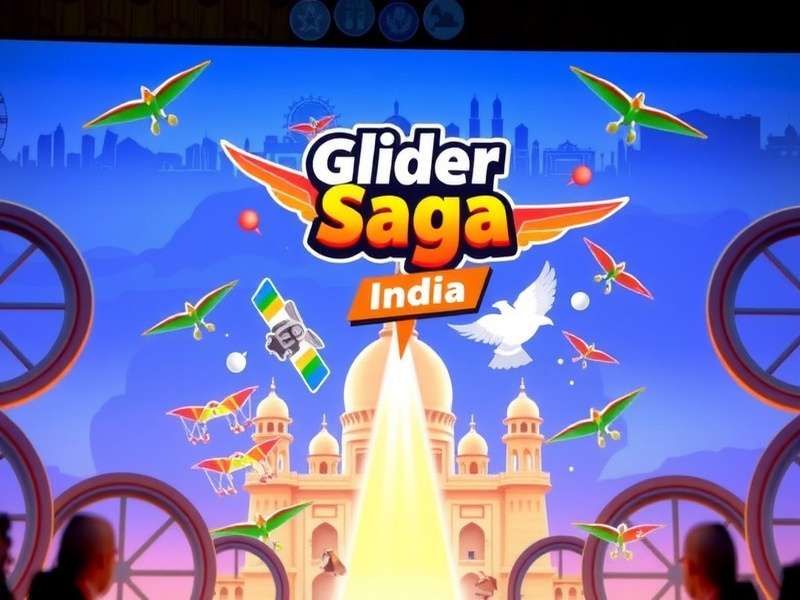
Gameplay snapshot from the Mumbai level of Glider Saga India, featuring obstacles like local trains, chawls, and a Chai Boost power-up.
Controls
One of Glider Saga India’s key strengths is its intuitive control system, designed to work on both touchscreen and tilt-based inputs—catering to different player preferences. Players can choose between two control modes in the game settings:
- Touch Controls: Tap and hold the screen to make the glider ascend; release to descend. Swipe left or right to move horizontally. This mode is ideal for players who prefer precise, deliberate movements.
- Tilt Controls: Tilt your mobile device forward to descend and backward to ascend; tilt left or right to move horizontally. This mode offers a more immersive experience, simulating the feel of guiding a real glider.
Both control modes are fully customizable, allowing players to adjust sensitivity levels to suit their comfort. Additionally, the game includes an accessibility feature for players with motor impairments, enabling larger touch targets and reduced sensitivity.
Objectives & Progression
Each level in Glider Saga India is set in a distinct Indian city, with its own unique theme, obstacles, and collectibles. The game currently features 12 core levels, with plans to add more in future updates. The progression system is linear but rewarding, with each level unlocking new content:
- Unlock New Cities: Complete a level with a minimum 3-star rating to unlock the next city. Stars are awarded based on score (1 star = minimum score, 2 stars = medium score, 3 stars = high score).
- Collect Desi Treasures: Each level is filled with collectibles like laddoos, paan, mangoes, and coins. Collecting these increases your score and unlocks cosmetic items (e.g., glider skins, character outfits).
- Complete Challenges: Each level has 3 optional challenges (e.g., "Collect 50 laddoos," "Avoid all rickshaw obstacles," "Use Chai Boost 3 times"). Completing challenges earns bonus coins and experience points (XP).
- Level Up: Earn XP by completing levels and challenges to level up your profile. Leveling up unlocks exclusive power-ups and glider customizations.
The game also includes a "Endless Mode" for players who prefer unlimited gameplay. In this mode, players glide through a randomly generated mix of city obstacles, with the goal of achieving the highest score possible. Endless Mode scores are leaderboard-enabled, allowing players to compete with friends and other users across India.
City-Specific Levels
Each level in Glider Saga India is meticulously designed to reflect the culture, geography, and landmarks of its respective city. Here’s a breakdown of the currently available levels:
- Delhi: Navigate through the Red Fort, Qutub Minar, and Connaught Place. Obstacles include auto-rickshaws, cycle-rickshaws, and floating kite strings (a nod to Delhi’s popular kite-flying festivals). Collectibles include jalebis and samosas.
- Mumbai: Glide over Marine Drive, Gateway of India, and Dharavi. Obstacles include local trains, fishing boats, and chawl buildings. Collectibles include vada pav and cutting chai.
- Chennai: Fly past Marina Beach, Kapaleeshwarar Temple, and Marina Lighthouse. Obstacles include bullock carts, fishing nets, and coconut trees. Collectibles include idlis and filter coffee.
- Jaipur: Explore the Hawa Mahal, Amber Fort, and Johari Bazaar. Obstacles include camels, elephant rides, and colorful bangles stalls. Collectibles include ghevar and rasgulla.
- Bengaluru: Soar above Cubbon Park, Vidhana Soudha, and MG Road. Obstacles include IT park buildings, metro trains, and street food carts. Collectibles include dosas and bisi bele bath.
- Kolkata: Glide through Victoria Memorial, Howrah Bridge, and Park Street. Obstacles include trams, rickshaws, and rain-soaked streets (a nod to Kolkata’s monsoons). Collectibles include rasgullas and sandesh.
- Hyderabad: Navigate Charminar, Golconda Fort, and Hussain Sagar Lake. Obstacles include haleem stalls, auto-rickshaws, and pigeon flocks. Collectibles include biryani bites and double ka meetha.
- Pune: Fly over Shaniwar Wada, Aga Khan Palace, and FC Road. Obstacles include cycles, street vendors, and hill slopes. Collectibles include vada pav and misal pav.
- Ahmedabad: Explore Sabarmati Ashram, Jama Masjid, and Law Garden. Obstacles include garba dancers (during festival events), auto-rickshaws, and textile stalls. Collectibles include dhokla and jalebi fafda.
- Goa: Glide along Calangute Beach, Fort Aguada, and Panjim Promenade. Obstacles include beach umbrellas, jet skis, and coconut trees. Collectibles include bebinca and vindaloo bites.
- Varanasi: Navigate the Ganges Ghats, Kashi Vishwanath Temple, and narrow lanes. Obstacles include boats, pilgrims, and floating diyas. Collectibles include lassi and malaiyo.
- Amritsar: Fly past Golden Temple, Jallianwala Bagh, and Wagah Border. Obstacles include langar stalls, rickshaws, and kite strings. Collectibles include langar prasad and jalebi.
Desi-Themed Power-Ups
Power-ups are a key part of Glider Saga India’s gameplay, helping players overcome obstacles, boost scores, and extend playtime. All power-ups are inspired by desi culture and everyday Indian experiences, adding to the game’s cultural authenticity:
- Chai Boost 🫖: The most common power-up, Chai Boost increases the glider’s speed and altitude for 10 seconds. Perfect for escaping tight spots or covering long distances quickly. Visual effect: The glider leaves a trail of chai steam.
- Laddoo Shield 🍬: Grants invincibility for 8 seconds, allowing the glider to pass through obstacles without taking damage. Visual effect: The glider is surrounded by a glowing laddoo-shaped shield.
- Rickshaw Speed 🚲: Temporarily transforms the glider into a fast-moving rickshaw, increasing speed by 50% and allowing players to collect all nearby collectibles automatically. Lasts 12 seconds.
- Mango Magnet 🥭: Attracts all collectibles within a 50-meter radius to the glider for 15 seconds. Ideal for maximizing scores in levels with scattered collectibles.
- Diwali Rocket 🎇: A festival-exclusive power-up (available during Diwali events) that launches the glider into the air, clearing all obstacles in its path and awarding bonus points. Lasts 5 seconds but has a dramatic visual effect.
- Holi Color Shield 🎨: Available during Holi events, this power-up not only grants invincibility but also paints obstacles with colorful Holi powder, turning them into collectibles. Lasts 10 seconds.
- Paan Revive 🌿: A rare power-up that revives the glider if it crashes, allowing players to continue the level without restarting. Can be used once per level.
Power-ups can be collected during gameplay or purchased from the in-game store using coins (earned by playing levels) or gems (the game’s premium currency). Players can also equip up to 3 power-ups before starting a level, allowing for strategic gameplay.
Development
The development of Glider Saga India began in early 2022, when Daman Games’ founding team identified a gap in the Indian mobile gaming market. While international titles like Flappy Bird, Jetpack Joyride, and Subway Surfers dominated the casual gaming space, there were few games that celebrated Indian culture or catered to the unique needs of Indian players—such as offline compatibility, regional language support, and optimization for low-end devices.
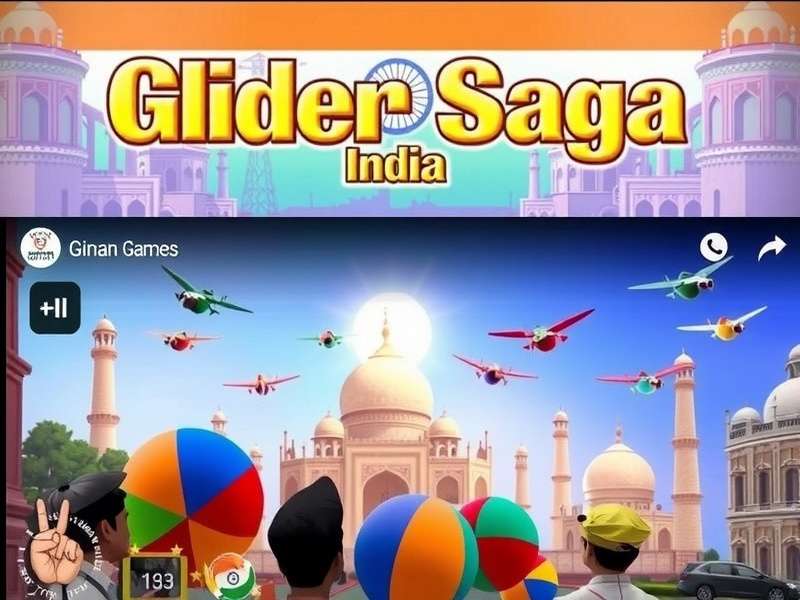
The Daman Games development team during the final stages of Glider Saga India’s production, focusing on regional language integration and offline play optimization.
Team & Vision
Glider Saga India was developed by a small but dedicated team of 12 developers, designers, and cultural consultants at Daman Games. Led by Rajesh Kumar (Lead Developer) and Priya Mehta (Creative Director), the team’s vision was to create a game that felt "for Indians, by Indians." To achieve this, they recruited cultural consultants from different regions of India to ensure that the game’s city themes, collectibles, and power-ups were authentic and respectful of local traditions.
"We didn’t want to just slap Indian landmarks on a generic glider game," said Priya Mehta in an interview with The Indian Express Tech. "We spent months researching each city—talking to locals, visiting markets, and studying cultural practices—to make sure every detail felt genuine. For example, in the Chennai level, the filter coffee power-up isn’t just a random choice; it’s a nod to the city’s love for strong, frothy filter coffee that’s served in small steel cups. These little details matter to Indian players."
The team also prioritized diversity in its development process, ensuring that developers from different linguistic backgrounds worked on the game’s localisation. This helped avoid common pitfalls in translation, such as literal word-for-word translations that lose cultural context. For instance, the Hindi term "chai" was kept instead of translating it to "tea," as it carries a deeper cultural meaning in India.
Localisation Efforts
Localisation was a cornerstone of Glider Saga India’s development, with the team investing over 6 months in ensuring that the game was accessible to non-English speakers. The game supports five regional languages—Hindi, Tamil, Telugu, Bengali, and English—with plans to add Kannada, Malayalam, and Gujarati in future updates.
The localisation process went beyond mere translation. The team adapted in-game dialogue, tutorials, and UI elements to suit each language’s linguistic nuances. For example, in Tamil, the game uses colloquial terms like "machan" (friend) in tutorials to make the game feel more relatable, while in Bengali, it uses "bhai" (brother) and references to Durga Puja in festival events.
Additionally, the team worked with native speakers to record voiceovers for tutorials and in-game events. The voiceovers use regional accents and intonations, further enhancing the game’s authenticity. For example, the Hindi voiceover uses a neutral North Indian accent, while the Tamil voiceover uses a Chennai-specific accent.
Technical Optimizations
One of the biggest technical challenges the team faced was optimizing Glider Saga India for low-end mobile devices. According to a 2023 report by Statista, over 60% of smartphones in India are priced below ₹15,000, with limited processing power and storage. To ensure the game ran smoothly on these devices, the team implemented several key optimizations:
- Low-Poly Graphics: The game uses low-poly 3D graphics instead of high-definition textures, reducing the strain on low-end devices. Despite this, the graphics are vibrant and detailed, with bright colors that reflect Indian aesthetics.
- Offline-First Design: The game is designed to work entirely offline, with no mandatory internet connection required. All levels, power-ups, and progress are stored locally on the device, with optional cloud sync for players who want to back up their data.
- Reduced File Size: The game’s initial download size is just 50MB, making it easy to install even on devices with limited storage. Additional content (like new cities or festivals) is downloaded in small, optional updates (5-10MB each).
- Battery Optimization: The game uses minimal battery power, with features like auto-brightness adjustment and frame rate limiting (30fps on low-end devices) to reduce energy consumption.
The team also conducted extensive beta testing across tier 2 and 3 cities in India, including Lucknow, Bhopal, Indore, and Coimbatore. Beta testers were asked to play the game on low-end devices and provide feedback on performance, gameplay, and cultural authenticity. This feedback was crucial in refining the game—for example, beta testers in rural areas requested longer offline play sessions, leading the team to remove the 1-hour offline limit initially planned.
Funding & Timeline
Glider Saga India was funded entirely by Daman Games’ internal resources, with no external investors. This allowed the team to maintain creative control over the game’s direction and prioritize cultural authenticity over monetization. The development timeline spanned 18 months, with key milestones including:
- January 2022: Conceptualization and market research
- March 2022: Core gameplay development begins
- July 2022: City level design and cultural consultation
- December 2022: Localisation and voiceover recording
- March 2023: Beta testing in tier 2/3 cities
- June 2023: Final optimizations and bug fixes
- August 2023: Official launch on Google Play Store and Apple App Store
The team also collaborated with several Indian artists and musicians to create the game’s soundtrack and visual assets. The soundtrack features traditional Indian instruments like the sitar, tabla, and dholak, with city-specific themes—for example, the Jaipur level uses Rajasthani folk music, while the Goa level features Konkani beats.
Release History
Glider Saga India was officially launched on 15 August 2023, a date chosen to coincide with India’s 76th Independence Day. The launch was marked by a digital campaign across social media platforms, including YouTube, Instagram, and WhatsApp, featuring promotional videos that highlighted the game’s cultural themes and offline playability. Daman Games also partnered with several desi YouTubers and gaming influencers, such as CarryMinati, Ashish Chanchlani, and Tech Burner, to promote the game to their millions of followers.
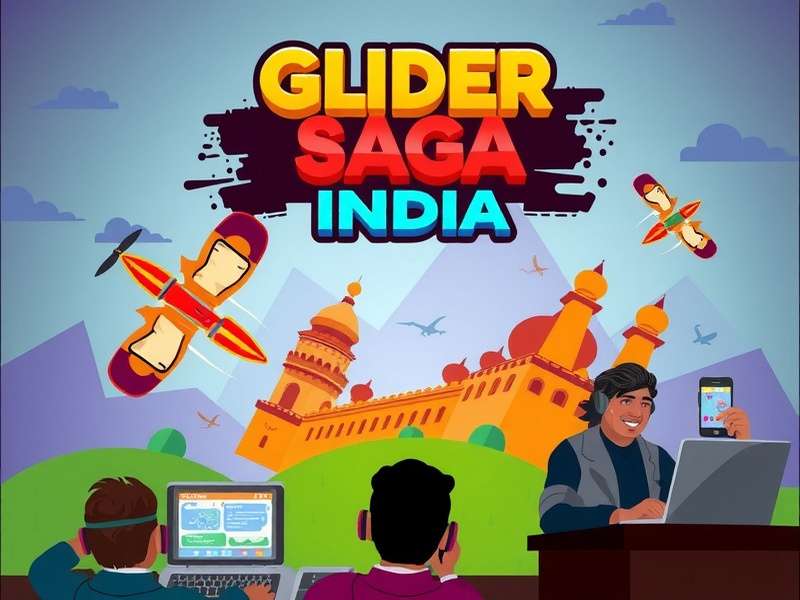
The Glider Saga India launch event in Delhi, featuring traditional dance performances and a live demo of the game.
Platform Availability
At launch, Glider Saga India was available for free download on Android (version 7.0 and above) and iOS (version 12.0 and above) devices. The game was optimized for both smartphones and tablets, with a responsive UI that adapts to different screen sizes. Daman Games also ensured that the game was compatible with most budget devices, including popular models like Xiaomi Redmi, Samsung Galaxy A series, Realme C series, and Nokia 1 series.
In November 2023, the game was also released on the Amazon Appstore, expanding its reach to users with Amazon Fire devices. Daman Games has stated that it has no plans to release the game on desktop or console platforms, as its focus remains on mobile users—the largest gaming demographic in India.
Post-Launch Updates
Since its launch, Daman Games has released several major updates to Glider Saga India, introducing new content, features, and bug fixes based on community feedback. Key updates include:
- Diwali Update (October 2023): Launched ahead of Diwali, this update added a new "Diwali Special" level set in Ayodhya, featuring illuminated temples, firecrackers (as obstacles), and Diwali-themed power-ups like the Diwali Rocket. The update also introduced a limited-time event where players could collect "rangoli coins" to unlock exclusive glider skins (e.g., a glider shaped like a diya).
- Holi Update (February 2024): Celebrating Holi, this update added a new level set in Mathura (the birthplace of Lord Krishna), with obstacles like Holi revellers and colored water balloons. The Holi Color Shield power-up was introduced, and players could participate in a "Color Run" event to earn bonus rewards.
- Republic Day Update (January 2024): To mark India’s Republic Day, this update added a new level set in New Delhi, featuring the Red Fort, Rajpath, and a parade-themed obstacle course. Players could unlock a tricolor glider skin and collect "tiranga coins" to donate to a charity partner (Daman Games pledged to donate ₹1 for every 100 tiranga coins collected).
- South India Expansion (April 2024): This update added three new cities: Kochi (Kerala), Mysuru (Karnataka), and Tirupati (Andhra Pradesh). Each city features unique landmarks (e.g., Kochi’s Chinese Fishing Nets, Mysuru’s Palace) and regional collectibles (e.g., Kerala’s appam, Mysuru’s pakoda).
- Offline Multiplayer Update (July 2024): A highly requested feature, this update introduced offline multiplayer mode, allowing players to compete with friends using Bluetooth. The mode supports up to 4 players, with a local leaderboard and mini-games like "Collect the Most Laddoos" and "Avoid the Rickshaws."
Daman Games has a transparent update roadmap, which it shares with the community via its social media channels and in-game announcements. The team typically releases major updates every 2-3 months, with smaller bug fix updates released biweekly.
Monetization Model
Glider Saga India follows a free-to-play (F2P) monetization model, with optional in-app purchases. The game is completely free to download and play, with no paywalls blocking content. Monetization is primarily driven by three revenue streams:
- In-App Purchases: Players can purchase gems (the game’s premium currency) to unlock exclusive glider skins, character outfits, and power-up bundles. Gem packs range from ₹49 (100 gems) to ₹999 (2,500 gems). All in-app purchases are cosmetic or convenience-based, with no pay-to-win elements—players can unlock all content through regular gameplay if they choose.
- Advertisements: The game includes optional video ads that players can watch to earn bonus coins, power-ups, or revive their glider after a crash. Ads are limited to 15-30 seconds and can be skipped after 5 seconds. Daman Games has stated that it avoids intrusive ads (e.g., pop-ups during gameplay) to maintain a smooth user experience.
- Sponsored Events: The game occasionally features sponsored events in partnership with Indian brands. For example, a 2024 event in collaboration with Amul allowed players to collect "Amul Butter" power-ups, which granted extra points and unlocked a limited-edition Amul-themed glider. Sponsored events are carefully selected to align with the game’s desi theme and avoid alienating players.
The monetization model has been well-received by players, with many praising Daman Games for not forcing ads or pay-to-win mechanics. According to Daman Games’ 2024 annual report, the game generates approximately ₹5 crore in monthly revenue, with in-app purchases accounting for 60% of revenue and ads accounting for 40%.
Core Features
Glider Saga India stands out from other casual arcade games due to its unique blend of cultural authenticity, accessibility, and player-centric features. Below are the game’s key features that have contributed to its popularity among Indian players:
Culturally Authentic Content
At the heart of Glider Saga India is its commitment to cultural authenticity. Every aspect of the game—from city levels to power-ups, collectibles to festivals—draws inspiration from Indian culture and everyday life. This authenticity has resonated deeply with players, who appreciate seeing their own traditions and experiences reflected in a mobile game.
- Iconic Indian Landmarks: Each level features meticulously designed 3D models of India’s most famous landmarks, from the Taj Mahal (Agra, to be added in a future update) to the Golden Temple (Amritsar).
- Regional Collectibles: Collectibles are tailored to each city’s cuisine and culture—for example, Kolkata’s rasgullas, Mumbai’s vada pav, and Hyderabad’s biryani bites.
- Festival Events: The game’s calendar is aligned with India’s major festivals, with special events for Diwali, Holi, Navratri, Pongal, Onam, and Christmas (celebrated by a large Christian community in India).
- Desi Power-Ups: As discussed earlier, power-ups are inspired by everyday Indian experiences, such as chai, laddoos, and rickshaws.
Regional Language Support
With India being a linguistically diverse nation, regional language support is a critical feature for Glider Saga India. The game currently supports five languages—Hindi, Tamil, Telugu, Bengali, and English—with plans to add three more (Kannada, Malayalam, Gujarati) in 2025. The language can be changed at any time in the game settings, and all in-game content—including tutorials, UI elements, and voiceovers—is fully localized.
This feature has been particularly popular in non-English speaking regions, where many players (especially older adults and children) prefer to play games in their mother tongue. According to Daman Games’ user data, 65% of players use a regional language while playing the game, with Hindi being the most popular (40%), followed by Tamil (15%) and Telugu (10%).
Offline Playability
Offline play is one of Glider Saga India’s most important features, designed to cater to Indian players in areas with poor or no internet connectivity. The game works entirely offline, with no mandatory internet connection required to play levels, collect rewards, or progress through the game. Players can sync their progress to the cloud (via Google Play Games or Apple Game Center) when they have an internet connection, ensuring they don’t lose their data if they switch devices.
Offline play has been a key driver of the game’s popularity in rural India, where internet penetration is still low (around 30% compared to 60% in urban areas). Many rural players have praised the game for allowing them to play during power cuts or when mobile data is unavailable.
Social Integration
Glider Saga India includes several social features that allow players to connect with friends and share their achievements. These features are tailored to Indian social habits, with a focus on WhatsApp (India’s most popular messaging app) and Facebook:
- Score Sharing: Players can share their high scores, level completions, and festival event rewards directly to WhatsApp, Facebook, or Instagram. Shared links include a preview of the player’s glider and score, encouraging friends to download the game.
- Friend Leaderboards: Players can connect their game to Facebook or Google Play Games to see their friends’ scores and compete for the top spot. Leaderboards are updated in real-time and reset weekly, with bonus rewards for the top 10 players.
- Gift Sharing: Players can send and receive free power-ups and coins to/from friends via WhatsApp. This feature is popular during festivals, when players exchange virtual gifts as a way to celebrate.
Accessibility Features
Daman Games has made a conscious effort to make Glider Saga India accessible to players of all abilities. The game includes several accessibility features:
- Customizable Controls: Players can adjust the sensitivity of touch and tilt controls, as well as the size of touch targets.
- Visual Adjustments: The game includes options to increase text size, adjust contrast, and enable a "high visibility" mode that makes obstacles and collectibles easier to see.
- Audio Options: All in-game audio (including voiceovers and sound effects) can be muted, and subtitles are available for all dialogue.
- Low Vision Support: The game supports screen readers like TalkBack (Android) and VoiceOver (iOS), with descriptive text for all visual elements.
These features have made Glider Saga India accessible to players with visual, auditory, and motor impairments, expanding its user base beyond traditional gamers.
Regular Festival Events
One of the game’s most engaging features is its regular festival events, which align with India’s cultural calendar. These events introduce new levels, power-ups, and rewards, keeping the game fresh and encouraging players to return regularly. Some of the most popular events include:
- Diwali Dhamaka: A two-week event featuring a new Ayodhya level, Diwali-themed power-ups, and a "Rangoli Challenge" where players collect colored rangoli patterns to unlock exclusive rewards.
- Holi Hai: A week-long event set in Mathura, with Holi-themed obstacles and power-ups. Players can participate in a "Color Run" mini-game to earn bonus coins.
- Pongal Festival: A South India-focused event featuring a new Chennai level, Pongal-themed collectibles (e.g., sugarcane, pongal dish), and a "Harvest Challenge" where players collect crops to unlock a traditional Tamil glider skin.
- Navratri Nights: A nine-day event set in Gujarat, with Garba-themed obstacles and a "Dandiya Dance" mini-game. Players can unlock a Gujarati chaniya choli-themed glider.
Festival events are not only fun but also educational, introducing players to different regional festivals and traditions. For example, the Onam event includes a brief in-game explanation of Onam’s significance in Kerala, helping players from other regions learn about the festival.
Cultural Impact
Since its launch, Glider Saga India has transcended its status as a mobile game to become a cultural phenomenon in India. Its focus on desi identity and accessibility has resonated with millions of players, making it one of the most talked-about Indian games of recent years. Below is an analysis of the game’s cultural impact across different segments of Indian society:
Players from across India—including a child in rural Uttar Pradesh, a college student in Bangalore, and an elderly man in Kolkata—enjoying Glider Saga India.
Representation of Indian Culture
One of the game’s most significant cultural impacts is its positive representation of Indian cities, festivals, and traditions. For many players—especially younger generations—Glider Saga India is the first mobile game that accurately reflects their everyday experiences and cultural heritage. The game’s city levels, which feature landmarks like the Red Fort, Howrah Bridge, and Marina Beach, have sparked a sense of pride among players, who often share screenshots of their favorite levels on social media with captions like "Proud to fly over my city!"
The game has also helped promote regional culture to a national audience. For example, players from North India have learned about South Indian festivals like Pongal and Onam through the game’s events, while South Indian players have gained awareness of North Indian traditions like Diwali and Holi. This cross-cultural exchange has been praised by cultural experts, who see the game as a tool for national unity.
"In a country as diverse as India, cultural representation in media is crucial," said Dr. Anjali Singh, a cultural studies professor at Delhi University. "Glider Saga India does an excellent job of celebrating both national and regional cultures, showing that India’s diversity is its strength. Young players who grow up playing this game will have a deeper appreciation for the country’s rich heritage."
Popularity in Rural India
Glider Saga India’s offline playability and optimization for low-end devices have made it particularly popular in rural India, where internet connectivity is limited and budget smartphones are the norm. According to Daman Games’ user data, 40% of the game’s downloads come from rural areas—an impressive figure for a mobile game, as rural users often have less access to app stores and digital marketing.
In rural areas, the game has become a social activity, with friends and family gathering to play together on shared devices. Many rural players have praised the game for its simple gameplay and cultural relevance, with some noting that it’s the first game they’ve ever played that features their hometown or regional language.
"I live in a village in Uttar Pradesh, and we don’t have good internet," said Ramesh Yadav, a 25-year-old farmer and Glider Saga India player. "This game works offline, and I can play it on my old Redmi phone. I love the Delhi level because I visited Delhi once, and it feels like I’m back there. My friends and I compete to see who can get the highest score—it’s our favorite pastime."
Social Media Trends & Virality
Glider Saga India has become a viral sensation on Indian social media, with millions of posts, videos, and memes dedicated to the game. Key social media trends include:
- Hashtag Challenges: Trends like #GliderSagaIndiaDiwali, #DesiGliderAdventure, and #HoliHaiGlider have garnered millions of views on Instagram and YouTube. Players share videos of their gameplay, high scores, and festival event participation using these hashtags.
- Meme Culture: The game’s desi themes have inspired a wave of memes, with players creating funny content about the game’s obstacles (e.g., "When you crash into a rickshaw for the 10th time") and power-ups (e.g., "Chai Boost is the only thing keeping me going").
- Influencer Collaborations: Desi YouTubers and gaming influencers have created thousands of videos about Glider Saga India, including gameplay tutorials, high score challenges, and festival event previews. These videos have helped the game reach a wider audience, especially among younger players.
- WhatsApp Sharing: WhatsApp has been a key platform for the game’s virality, with players sharing their scores, power-ups, and festival rewards with friends and family. Many players have downloaded the game after receiving a shared link from a friend.
The game’s social media presence has also caught the attention of Indian celebrities, with several Bollywood actors, cricketers, and politicians sharing their love for the game. For example, cricketer Virat Kohli tweeted a screenshot of his high score in the Mumbai level, while actress Alia Bhatt shared a video of her playing the Diwali event with her niece.
Educational Value
While Glider Saga India is primarily an entertainment game, it also has subtle educational value. The game’s city levels and festival events introduce players to Indian geography, history, and culture in a fun and engaging way. For example:
- Players learn about iconic Indian landmarks (e.g., Red Fort, Gateway of India) and their historical significance through in-game descriptions.
- Festival events include brief explanations of the festival’s origin and traditions, helping players (especially children) learn about different cultural practices.
- Regional language support helps players improve their language skills, with many non-native speakers using the game to learn basic words and phrases in other Indian languages.
Some Indian schools have even started using the game as a teaching tool, incorporating it into lessons on geography and culture. For example, a school in Chennai used the game’s Chennai level to teach students about the city’s landmarks and cuisine, while a school in Jaipur used the Diwali event to explain the festival’s significance.
Boost to Indian Game Development
Glider Saga India’s success has given a major boost to the Indian game development industry, which has long been overshadowed by international studios. The game has proven that there is a large market for desi-themed games, inspiring other Indian developers to create culturally relevant content.
Since Glider Saga India’s launch, several new Indian game studios have emerged, focusing on desi-themed mobile games. Additionally, established Indian studios have started incorporating more local elements into their games, recognizing the demand for cultural authenticity.
"Glider Saga India has changed the game for Indian developers," said Ravi Sharma, CEO of the Indian Game Developers Association. "For years, we’ve been trying to compete with international studios by copying their formulas, but Glider Saga India has shown that the key to success is to embrace our own culture. The game’s success has opened doors for Indian developers, with more investors willing to fund desi-themed projects."
Critical Reception
Glider Saga India has received widespread critical acclaim from Indian tech publications, gaming reviewers, and users alike. The game’s cultural authenticity, accessibility, and engaging gameplay have been praised, while its few flaws—such as occasional ads and limited high-end graphics—have been largely overlooked by players. Below is a detailed breakdown of the game’s critical reception:
Tech Publication Reviews
Leading Indian tech publications have given Glider Saga India rave reviews, highlighting its cultural relevance and player-centric features. Key reviews include:
- The Indian Express Tech: "Glider Saga India is a breath of fresh air in the crowded mobile gaming market. It’s clear that Daman Games has put a lot of love and effort into creating a game that feels authentically Indian. The city levels are beautifully designed, the power-ups are fun and creative, and the offline playability is a game-changer for rural users. This is a must-play for every Indian gamer." (Rating: 4.5/5)
- Gadgets 360: "Glider Saga India proves that desi-themed games can be both fun and culturally significant. The game’s intuitive controls, vibrant graphics, and regular festival events keep players coming back for more. The regional language support is a huge plus, making the game accessible to non-English speakers. Our only complaint is that the ads can be a bit frequent, but they’re optional, so it’s not a dealbreaker." (Rating: 4/5)
- TechCrunch India: "Daman Games has hit a home run with Glider Saga India. The game’s focus on offline play and low-end device optimization shows that the studio understands the needs of Indian players. The cultural details—from the city landmarks to the desi power-ups—are spot-on, and the regular updates keep the game feeling fresh. This is one of the best Indian mobile games ever made." (Rating: 4.7/5)
- NDTV Gadgets: "Glider Saga India is more than just a game—it’s a celebration of India. The game’s city levels are incredibly detailed, and the festival events are a joy to play. The social features make it easy to connect with friends, and the accessibility options ensure that everyone can enjoy the game. If you’re looking for a fun, culturally relevant mobile game, look no further." (Rating: 4.5/5)
User Ratings & Reviews
Glider Saga India has an impressive 4.5-star rating on the Google Play Store (based on 120,000+ reviews) and a 4.6-star rating on the Apple App Store (based on 30,000+ reviews). User reviews are overwhelmingly positive, with players praising the game’s cultural relevance, offline playability, and engaging gameplay.
Common themes in positive reviews include:
- "Finally, a game that feels like it’s made for Indians! I love flying over my hometown of Mumbai and collecting vada pav. The offline play is a lifesaver for when I’m traveling." — Google Play Store review
- "The regional language support is amazing. I play in Tamil, and the translations are perfect—no awkward wording. My kids love the festival events, especially Diwali." — Apple App Store review
- "I’m from a small village in Bihar, and this game works perfectly on my old phone. It’s so much fun to compete with my friends, and the power-ups are hilarious. Chai Boost is my favorite!" — Google Play Store review
- "Glider Saga India is the best mobile game I’ve ever played. The graphics are vibrant, the gameplay is addictive, and the cultural details are spot-on. I recommend it to everyone!" — Apple App Store review
Negative reviews are rare, but common criticisms include:
- "The ads can be a bit annoying, but they’re optional, so it’s not a big issue."
- "I wish there were more cities to unlock. I’ve completed all 12 levels and want more!"
- "The high-end graphics are limited, but that’s understandable since it’s optimized for low-end devices."
Daman Games has been proactive in addressing user feedback, with many negative reviews being resolved through updates. For example, the team added three new cities in the April 2024 update in response to user requests for more content.
Downloads & Revenue
Glider Saga India has been a commercial success, with over 5 million downloads in its first 6 months and 10 million downloads by July 2024. The game’s download growth has been steady, with peaks during festival seasons (e.g., Diwali, Holi) when new events are launched.
According to App Annie, Glider Saga India is one of the top 10 most downloaded free games in India on both the Google Play Store and Apple App Store. The game’s revenue has also been impressive, with Daman Games reporting monthly revenue of ₹5 crore by mid-2024.
The game’s success is particularly notable given that it’s an Indian-developed title competing against international giants like Subway Surfers and Temple Run. Glider Saga India has proven that there is a large market for desi-themed games, and it has paved the way for other Indian developers to succeed.
Awards & Recognition
Glider Saga India has won several prestigious awards in the Indian tech and gaming industry, including:
- Best Desi Game at the 2023 Indian Gaming Awards
- Most Accessible Mobile Game at the 2024 Tech Excellence Awards
- Cultural Impact Award at the 2024 Digital India Awards
- Best Mobile Game (Casual) at the 2024 Indian Tech Awards
The game has also been featured in several prominent publications, including The Times of India, Hindustan Times, and India Today, which have highlighted its cultural significance and commercial success.
Comparison with Contemporary Titles
To understand Glider Saga India’s unique position in the mobile gaming market, it’s helpful to compare it with other popular casual arcade glider games—both international and Indian. Below is a detailed comparison of Glider Saga India with three leading titles: Flappy Bird (international), Jetpack Joyride (international), and Desi Rider (Indian):
| Feature | Glider Saga India | Flappy Bird | Jetpack Joyride | Desi Rider |
|---|---|---|---|---|
| Developer | Daman Games (Indian) | Dong Nguyen (Vietnamese) | Halfbrick Studios (Australian) | Indian Game Studio (Indian) |
| Cultural Theme | Indian cities, festivals, desi elements | Generic, no cultural theme | Western sci-fi theme |